
Women’s Health And Longevity Industry Trends And Forecast
January 17, 2026
Market Growth & Expansion
The women’s health and longevity industry is experiencing unprecedented growth and expansion, driven by a confluence of factors including increasing female life expectancy, rising awareness of women’s specific health needs, and advancements in medical technology.
Rising Prevalence of Chronic Diseases
One key driver of this growth is the rising prevalence of chronic diseases among women. Conditions such as heart disease, stroke, diabetes, and cancer disproportionately affect women, leading to increased demand for preventive care, diagnostic tools, and treatment options specifically tailored to their needs.
Increasing Focus on Preventive Healthcare
A significant trend within this industry is the increasing focus on preventive healthcare. Women are increasingly proactive about their health and seeking out ways to mitigate their risk factors for chronic diseases. This shift towards preventive measures is fueling demand for wellness programs, personalized nutrition plans, fitness tracking devices, and genetic testing services designed to empower women to take control of their long-term health.
Technological Advancements in Diagnostics and Treatments
Technological advancements are playing a pivotal role in shaping the future of women’s health. Innovations in diagnostics allow for earlier and more accurate detection of diseases, enabling timely interventions and improved outcomes. For instance, advancements in imaging techniques like 3D mammography and AI-powered analysis are enhancing breast cancer screening, while liquid biopsies offer non-invasive methods for detecting various cancers at early stages.
Furthermore, breakthroughs in treatment technologies are transforming the landscape of women’s healthcare. Personalized medicine approaches, leveraging genomic data and individual patient characteristics, are paving the way for tailored therapies that maximize efficacy and minimize side effects. Robotic-assisted surgery is enhancing minimally invasive procedures, leading to faster recovery times and reduced complications. The development of innovative drug delivery systems, such as targeted nanoparticles and hormone therapy patches, is improving treatment adherence and reducing systemic side effects.
Key Products & Services
Within this dynamic landscape, several key products and services are emerging as cornerstones of women’s health and longevity.
Personalized Nutrition and Supplements
The industry is witnessing a surge in demand for products and services that cater to the unique needs of women across different life stages.
- Personalized Nutrition and Supplements:
- Tailored meal plans and dietary recommendations based on individual health profiles, genetics, lifestyle, and goals are gaining traction. The rise of personalized nutrition apps and online platforms provides convenient access to these services. Customized supplements formulated to address specific deficiencies or support women’s hormonal health are also becoming increasingly popular.
- Women’s Specific Diagnostics and Screening Tools:
- Advanced diagnostic tools designed specifically for women’s health needs are enhancing early detection and management of conditions like osteoporosis, endometriosis, polycystic ovary syndrome (PCOS), and cervical cancer. Innovations in digital health technologies, such as wearable sensors and telehealth platforms, are improving accessibility to screenings and monitoring.
Women’s-Specific Fitness Programs
Women’s-specific fitness programs are experiencing significant growth as women prioritize their health and well-being. These programs recognize the unique physiological and hormonal needs of women throughout different life stages.
- Prenatal and Postpartum Fitness:
- Specialized classes and training regimens cater to the specific demands of pregnancy, labor, and postpartum recovery. These programs focus on strengthening core muscles, improving pelvic floor health, and promoting safe and effective exercise during these crucial phases.
- Menopause Fitness:
- Programs address the physical and hormonal changes associated with menopause, helping women manage weight gain, improve bone density, and enhance energy levels. These programs often incorporate strength training, flexibility exercises, and stress-reduction techniques.
Group fitness classes designed for women, such as yoga, Pilates, and Zumba, are also popular choices. They offer a supportive and empowering environment where women can connect with others and improve their fitness levels while enjoying social interaction.
Telehealth and Virtual Care Platforms
Telehealth and virtual care platforms have become indispensable tools in revolutionizing women’s health access and convenience. These digital platforms enable women to consult with healthcare providers remotely, eliminating geographical barriers and scheduling constraints.
- Virtual Consultations:
- Women can schedule online appointments with doctors, gynecologists, therapists, and other specialists to discuss their health concerns, receive diagnoses, and obtain treatment recommendations. Video conferencing technology allows for face-to-face interactions, fostering personalized care despite physical distance.
- Remote Monitoring:
- Telehealth platforms enable continuous monitoring of vital signs, such as blood pressure, glucose levels, and heart rate. This remote data collection empowers healthcare providers to track women’s health trends, identify potential issues early on, and adjust treatment plans accordingly.
Moreover, virtual care platforms offer a range of digital health tools and resources specifically designed to address women’s unique needs. These include online symptom checkers, educational materials on various women’s health topics, and access to support groups and mental health services.
Menopause Management Solutions
Menopause Management Solutions are gaining significant traction as more women seek proactive approaches to navigate this life stage.
- Hormone Replacement Therapy (HRT):
- Customized HRT options, including various forms of estrogen and progesterone, can effectively alleviate common menopause symptoms like hot flashes, vaginal dryness, and mood swings. Advances in delivery systems, such as patches, gels, and orally disintegrating tablets, offer greater convenience and flexibility.
- Bioidentical Hormone Therapy:
- This approach utilizes hormones structurally identical to those produced by the body, aiming to restore hormone balance more naturally. Bioidentical hormone therapy is often personalized based on individual needs and blood hormone levels.
- Non-Hormonal Therapies:
- For women who prefer alternative options, a range of non-hormonal treatments are available. These include herbal supplements like black cohosh and red clover, antidepressants to manage mood changes, and cognitive behavioral therapy (CBT) for stress management.
Personalized Wellness Programs:
- Comprehensive wellness programs tailored specifically for menopausal women are becoming increasingly popular. These programs typically incorporate a combination of nutritional guidance, exercise regimens, stress-reduction techniques, and hormone optimization strategies.

Consumer Trends & Preferences
Consumer trends in the women’s health and longevity industry reflect a growing focus on prevention, personalization, and technological advancements.
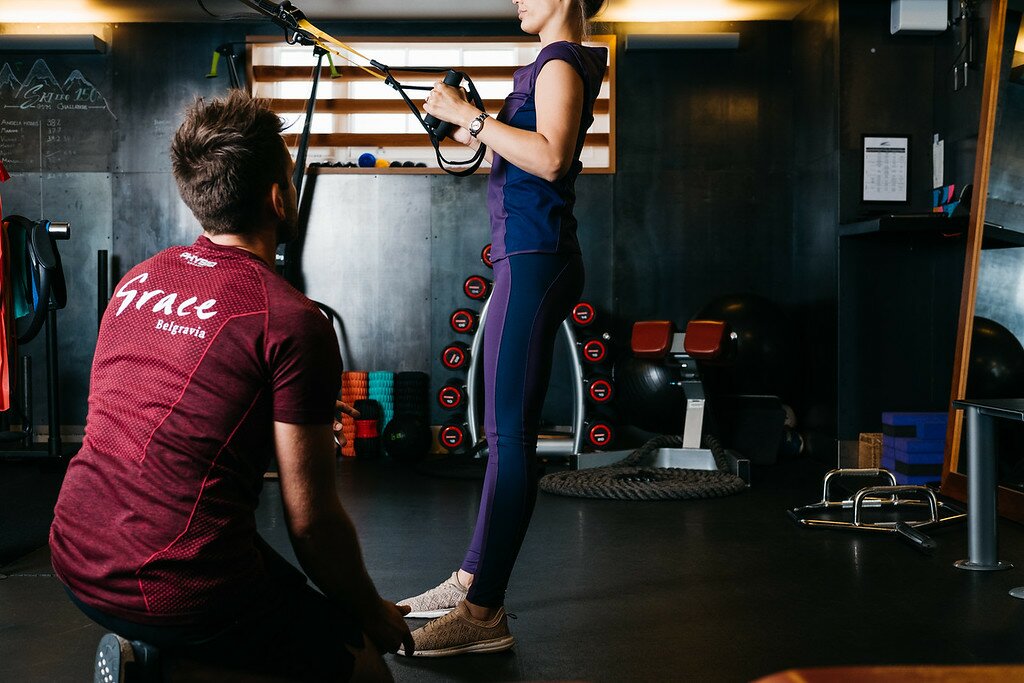
Demand for Holistic Wellness
The demand for holistic wellness is surging as women prioritize their overall well-being. This encompasses physical, mental, and emotional health, with an emphasis on preventative measures and proactive self-care.
Women are increasingly seeking out products and services that address their unique needs across different life stages. Personalized nutrition plans, tailored fitness programs, and menopause management solutions are gaining traction as women look for customized approaches to optimize their health.
Technology is playing a pivotal role in empowering women to take control of their wellness journey. Telehealth platforms, wearable trackers, and personalized health apps provide convenient access to information, resources, and expert guidance.
Emphasis on Mental Well-being
The rise of the “wellness economy” has been fueled by increasing awareness of mental well-being’s impact on overall health. This is leading to a significant shift in consumer preferences, with more women prioritizing their mental health alongside physical wellness.
A key trend is the growing demand for accessible mental health services. Women are seeking out therapists, counselors, and support groups both online and offline. The stigma surrounding mental health is gradually decreasing, encouraging more open conversations and a willingness to seek help.
Another prominent trend is the increasing popularity of self-care practices aimed at managing stress, anxiety, and improving mood. This includes activities like mindfulness meditation, yoga, journaling, spending time in nature, and pursuing creative hobbies.
The rise of “mindfulness apps” offering guided meditations, breathing exercises, and sleep stories reflects this growing demand for accessible mental well-being tools.
Moreover, women are increasingly looking for products that support their mental health. This encompasses everything from herbal teas and supplements marketed for stress relief to aromatherapy diffusers and journals designed to promote self-reflection.
Growing Interest in Natural and Organic Products
Growing interest in natural and organic products extends to the realm of women’s health and wellness. Consumers are increasingly seeking out products made with natural ingredients, free from synthetic chemicals and artificial additives. This trend is driven by a desire for safer, more sustainable options that align with a holistic approach to well-being.
Natural and organic feminine hygiene products, such as pads, tampons, and period underwear made from organic cotton or plant-based materials, are gaining popularity. Consumers are also embracing natural skincare and beauty products formulated with botanical extracts, essential oils, and other plant-based ingredients that are gentle on the skin and align with their values.
The demand for natural supplements and herbal remedies for women’s health concerns, such as menopause symptoms, hormonal imbalances, and fertility support, is also on the rise. Women are seeking out alternatives to conventional medications and exploring natural ways to address their specific needs.
Digital Literacy and Online Health Communities
Consumer trends in women’s health and longevity reflect a shift towards proactive wellness, personalization, and technological empowerment. The growing emphasis on holistic well-being extends beyond physical health to encompass mental, emotional, and social dimensions.
One notable trend is the surge in demand for personalized solutions tailored to individual needs across various life stages. This includes customized nutrition plans, fitness programs designed for specific age groups or conditions (like prenatal, postpartum, or menopause), and hormone optimization therapies.
Technology plays a central role in driving these trends. Telehealth platforms are breaking down geographical barriers and providing convenient access to healthcare professionals, while wearable trackers and health apps empower women to monitor their health data and make informed decisions about their well-being.
The rise of digital literacy among women is also fueling the growth of online health communities. These virtual spaces provide a platform for sharing experiences, accessing reliable information, and connecting with others facing similar health challenges or interests. This trend has fostered a sense of shared knowledge and support within the women’s health landscape.
Investment Landscape
The women’s health and longevity industry is flourishing, fueled by rising female life expectancy, increasing awareness of specific health needs, and advancements in medical technology.
Venture Capital Funding
Venture capital funding plays a crucial role in propelling innovation and growth within the women’s health and longevity industry. Investors recognize the vast potential of this sector and are actively seeking opportunities to support companies developing groundbreaking products and services that address the unique needs of women across their lifespan.
- Focus on Underserved Areas: Venture capitalists are increasingly directing funding towards areas within women’s health that have been historically underserved by traditional healthcare systems. This includes conditions like endometriosis, polycystic ovary syndrome (PCOS), menopause management, and maternal health, where innovation and specialized solutions are urgently needed.
- Technological Advancements: Investments are heavily concentrated in companies leveraging technology to improve women’s health outcomes. This encompasses areas such as digital therapeutics, personalized medicine, telemedicine platforms, wearable health trackers, and AI-powered diagnostics.
- Empowering Women Consumers: VC funding is supporting businesses that empower women through accessible healthcare, personalized wellness solutions, and educational resources. Companies offering direct-to-consumer products like fertility tracking apps, hormone balance supplements, and online mental health support platforms are attracting significant investment.
The influx of venture capital funding is fueling a dynamic ecosystem within the women’s health and longevity industry, accelerating the development of innovative solutions and driving progress towards better healthcare outcomes for women worldwide.
Acquisition Activity
Acquisition activity in the women’s health and longevity sector reflects the industry’s rapid growth and increasing attractiveness to investors. Established healthcare companies, pharmaceutical giants, and private equity firms are actively seeking to acquire promising startups and emerging players to expand their portfolios and capitalize on market opportunities.
- Strategic Expansion: Larger healthcare corporations are acquiring women’s health companies to integrate their innovative products, technologies, or specialized expertise into their existing offerings. This allows established players to diversify their product lines, enter new markets, or enhance their capabilities in areas like personalized medicine or digital health.
- Access to Cutting-Edge Technology: Startups developing novel diagnostic tools, treatment modalities, or data analytics platforms are highly sought after by acquirers seeking to leverage these advancements for competitive advantage. The acquisition of such companies grants access to intellectual property, talented teams, and cutting-edge research that can drive innovation.
- Strengthening Market Presence: Acquisition allows companies to expand their geographical reach, increase market share, or target specific customer segments more effectively. This is particularly relevant in the women’s health space, where localized needs and cultural considerations often influence product preferences.
The trend of mergers and acquisitions in this sector is expected to continue as investors recognize the long-term growth potential of the women’s health and longevity market.
Strategic Partnerships
The investment landscape for women’s health is experiencing a surge of interest. This is driven by a confluence of factors, including increasing awareness of women’s specific healthcare needs and advancements in medical technology.
Venture capitalists are particularly drawn to companies developing innovative solutions for underserved areas within women’s health, such as menopause management, endometriosis, and PCOS. Technology-driven innovations like digital therapeutics, personalized medicine platforms, and telemedicine solutions are also attracting significant investment.

Strategic partnerships are playing a vital role in accelerating growth and expanding reach within the women’s health sector. Companies are collaborating to leverage complementary strengths, share resources, and tap into new markets.
For example, pharmaceutical companies may partner with digital health startups to integrate their products into telehealth platforms, enhancing accessibility and patient engagement. Similarly, fitness studios might collaborate with nutritionists or mental health professionals to offer comprehensive wellness programs that address multiple aspects of women’s well-being.
Future Outlook and Challenges
Despite the tremendous progress and opportunities, the industry also faces several challenges. A key challenge is addressing the persistent gender disparities in healthcare access and quality. Women often face barriers such as implicit bias, lack of awareness about their own health needs, and limited availability of female healthcare providers.
Another hurdle is ensuring affordability and accessibility of innovative solutions. Many cutting-edge treatments and technologies come with high price tags, potentially excluding women from lower socioeconomic backgrounds. Striking a balance between innovation and cost-effectiveness will be crucial for wider adoption and equitable access.
Furthermore, the industry must continue to navigate evolving regulatory landscapes and privacy concerns surrounding sensitive health data. As technology advances, robust data security measures and ethical considerations will be paramount to building trust and ensuring responsible use of patient information.
Regulatory Landscape Evolution
The future outlook for the women’s health and longevity industry is undeniably bright. Continued growth in this sector is expected due to several factors:
- Increasing Female Life Expectancy: As women live longer, there’s a growing need for healthcare solutions tailored to their specific needs throughout various life stages.
- Rising Awareness of Women’s Health Issues: More women are becoming proactive about their health and seeking preventative care and personalized solutions.
- Technological Advancements: Innovations in diagnostics, treatment modalities, and digital health platforms will continue to revolutionize women’s healthcare delivery and outcomes.
However, several challenges need to be addressed:
- **Addressing Health Disparities:** Ensuring equitable access to quality healthcare for all women, regardless of socioeconomic status, race, or geographic location.
- **Cost and Affordability:** Making innovative treatments and technologies accessible and affordable to a wider population.
- **Data Privacy and Security:** Implementing robust safeguards to protect sensitive patient data while fostering innovation in telehealth and digital health solutions.
The regulatory landscape will continue to evolve as the industry matures. Regulations surrounding telemedicine, personalized medicine, and data privacy will play a crucial role in shaping the future of women’s healthcare.
Data Privacy and Security Concerns
The future outlook for the women’s health and longevity industry is undeniably bright, driven by increasing female life expectancy, rising awareness of women’s specific health needs, and advancements in medical technology. However, several challenges need to be addressed to ensure equitable access and sustainable growth.
One major challenge lies in addressing persistent gender disparities in healthcare. Women often face implicit bias, lack of awareness about their own health needs, and limited access to female healthcare providers. Overcoming these hurdles requires systemic changes within healthcare systems and increased investment in research specific to women’s health issues.
Another significant concern is the affordability and accessibility of innovative solutions. While technological advancements offer tremendous promise, many treatments and devices come with high price tags, potentially excluding women from lower socioeconomic backgrounds. Striking a balance between innovation and cost-effectiveness will be crucial for wider adoption and equitable access to life-changing healthcare.
The increasing reliance on digital health technologies also raises critical data privacy and security concerns. Robust measures are needed to protect sensitive patient information while fostering innovation in telehealth, personalized medicine, and wearables. Establishing clear regulations and ethical guidelines will be essential to building trust and ensuring responsible use of data.
Access to Healthcare Disparities
The women’s health and longevity industry is experiencing unprecedented growth and expansion, driven by a confluence of factors including increasing female life expectancy, rising awareness of women’s specific health needs, and advancements in medical technology. However, significant challenges remain in ensuring equitable access to quality healthcare for all women.
- **Access to Care Disparities:**
- Women from marginalized communities often face systemic barriers to accessing quality healthcare. Socioeconomic status, race, ethnicity, geographic location, and sexual orientation can all contribute to disparities in health outcomes. Addressing these disparities requires a multi-faceted approach that includes increasing access to affordable care, culturally competent providers, and community-based health initiatives.
- **Cost as a Barrier:**
- The high cost of healthcare in many countries creates a significant barrier for women seeking preventative care, diagnostic testing, and treatment options. Insurance coverage limitations and the rising cost of medications can also make it difficult for women to afford necessary healthcare services. Expanding access to affordable insurance plans, promoting price transparency, and exploring alternative payment models are crucial steps towards mitigating this challenge.
Technological advancements hold immense promise for improving women’s health, but they also raise ethical considerations.
- **Data Privacy Concerns:**
- The increasing use of digital health platforms and wearables generates vast amounts of sensitive patient data. Ensuring the privacy and security of this data is paramount. Robust cybersecurity measures, transparent data sharing practices, and clear guidelines for data usage are essential to build trust and protect women’s health information.
Emerging Technologies and Innovation
The future of women’s health hinges on addressing these challenges while continuing to foster innovation. The convergence of technology, personalized medicine, and a deeper understanding of women’s unique physiological needs will shape the next generation of healthcare solutions. By prioritizing accessibility, affordability, and ethical considerations, the industry can strive towards a future where all women have access to high-quality, empowering, and life-enhancing care.
Personal training and performance coaching

- Xela Rederm Skin Booster Treatments Near Kenley, Surrey - January 19, 2026
- Women’s Health And Longevity Industry Trends And Forecast - January 17, 2026
- Why THC Drinks Are Perfect For Summer Gatherings - January 14, 2026